A pattern on a sample card and the same pattern on four walls are two different things. Seeing a wallcovering in a real room, against real furniture and real light, is how you find out whether it sings or shouts.



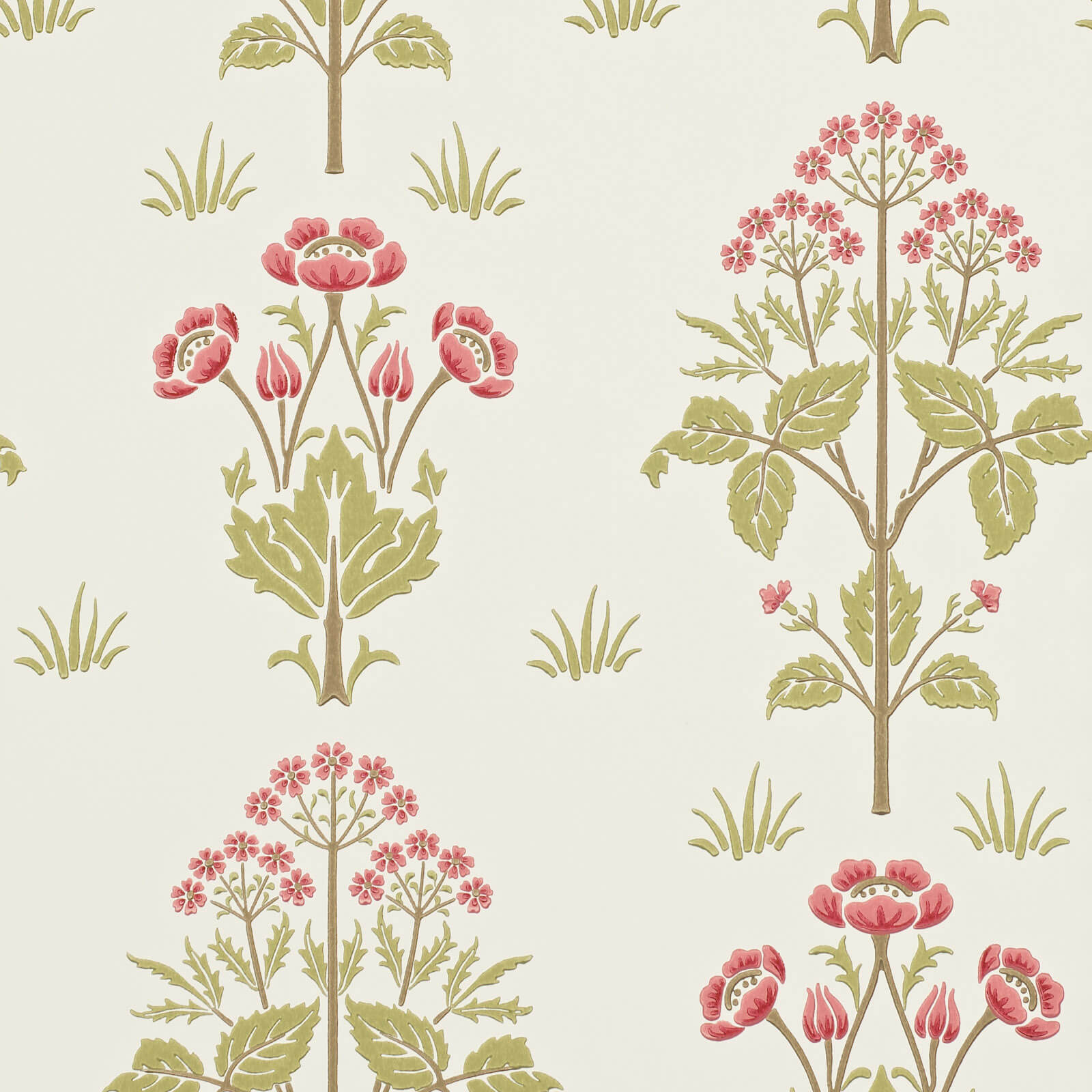
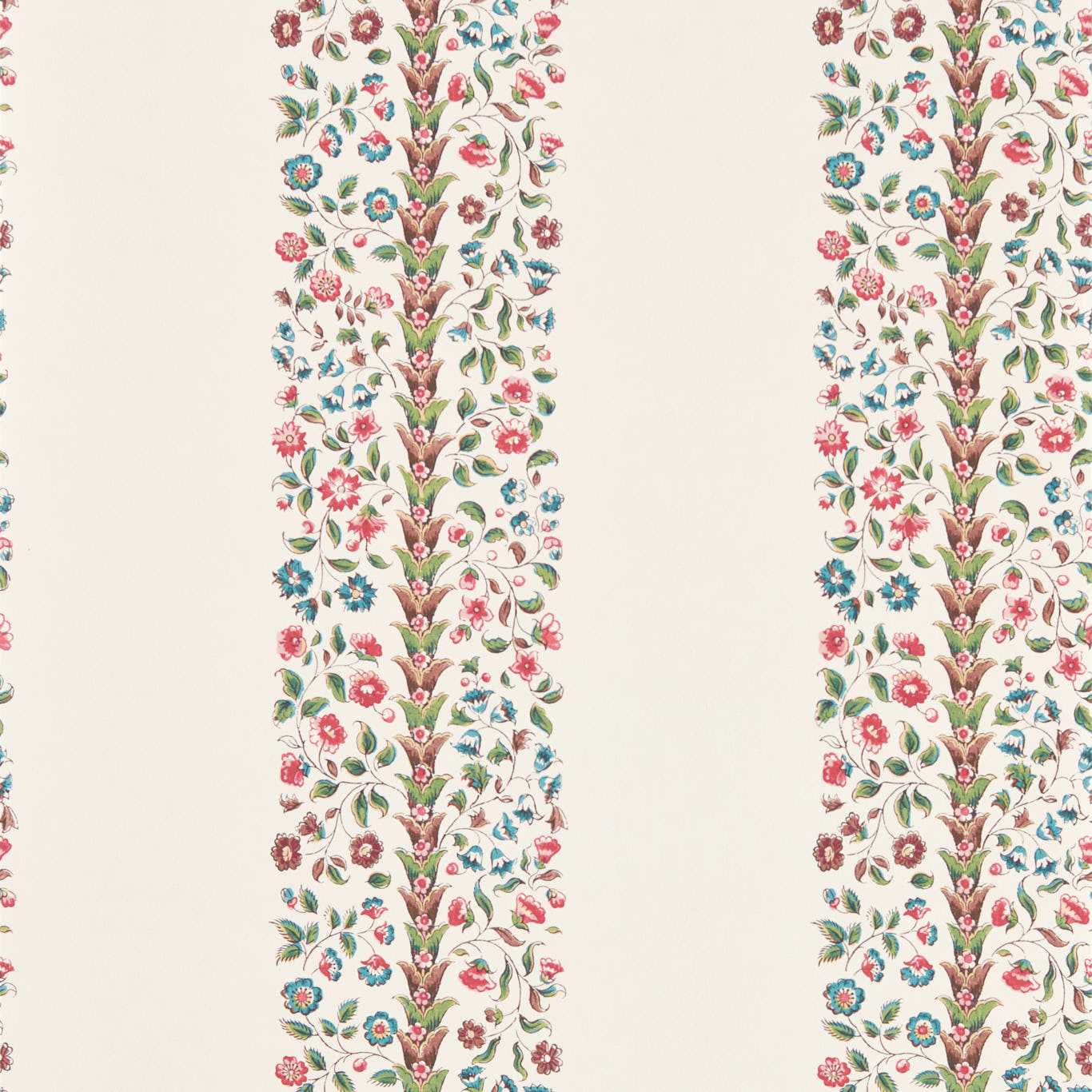




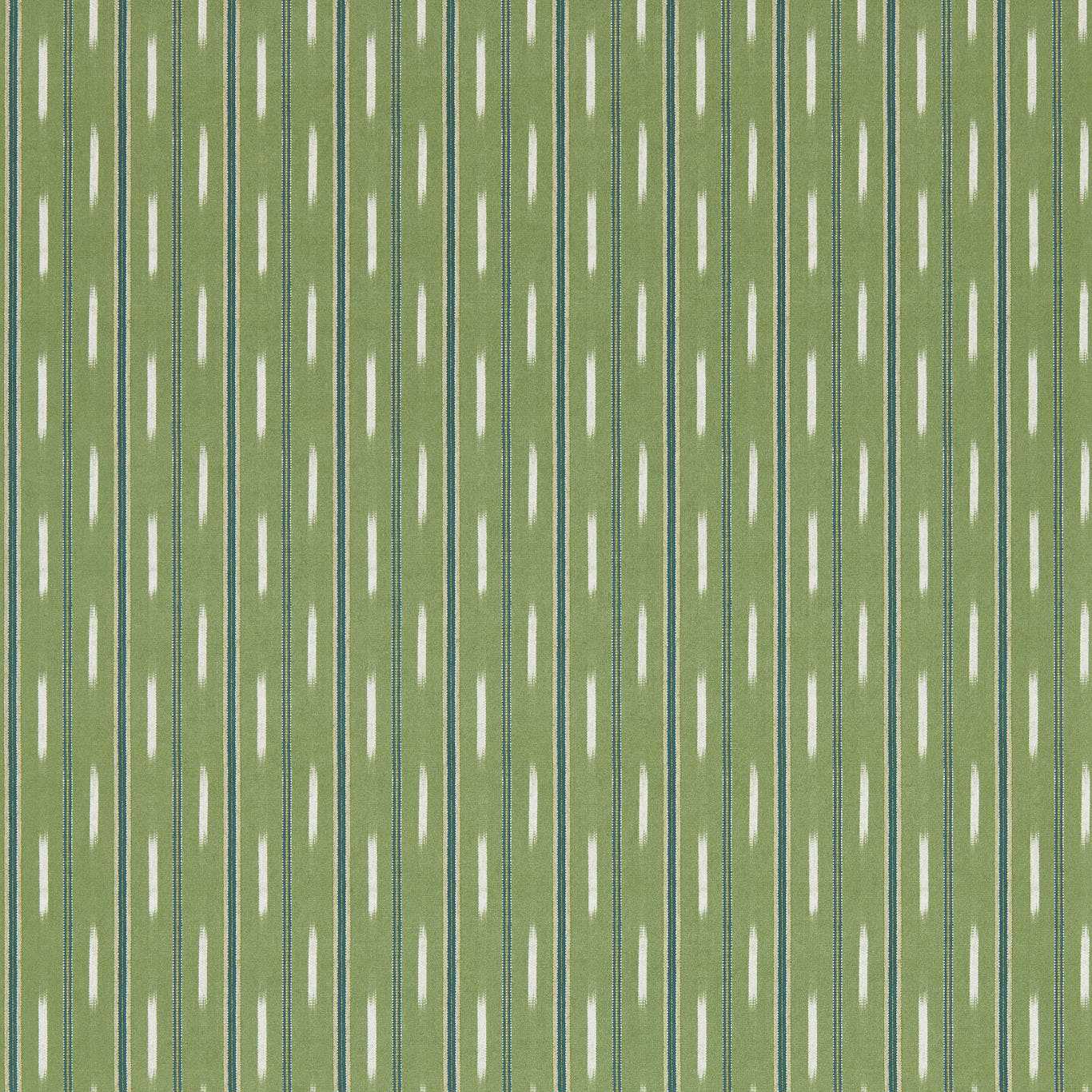


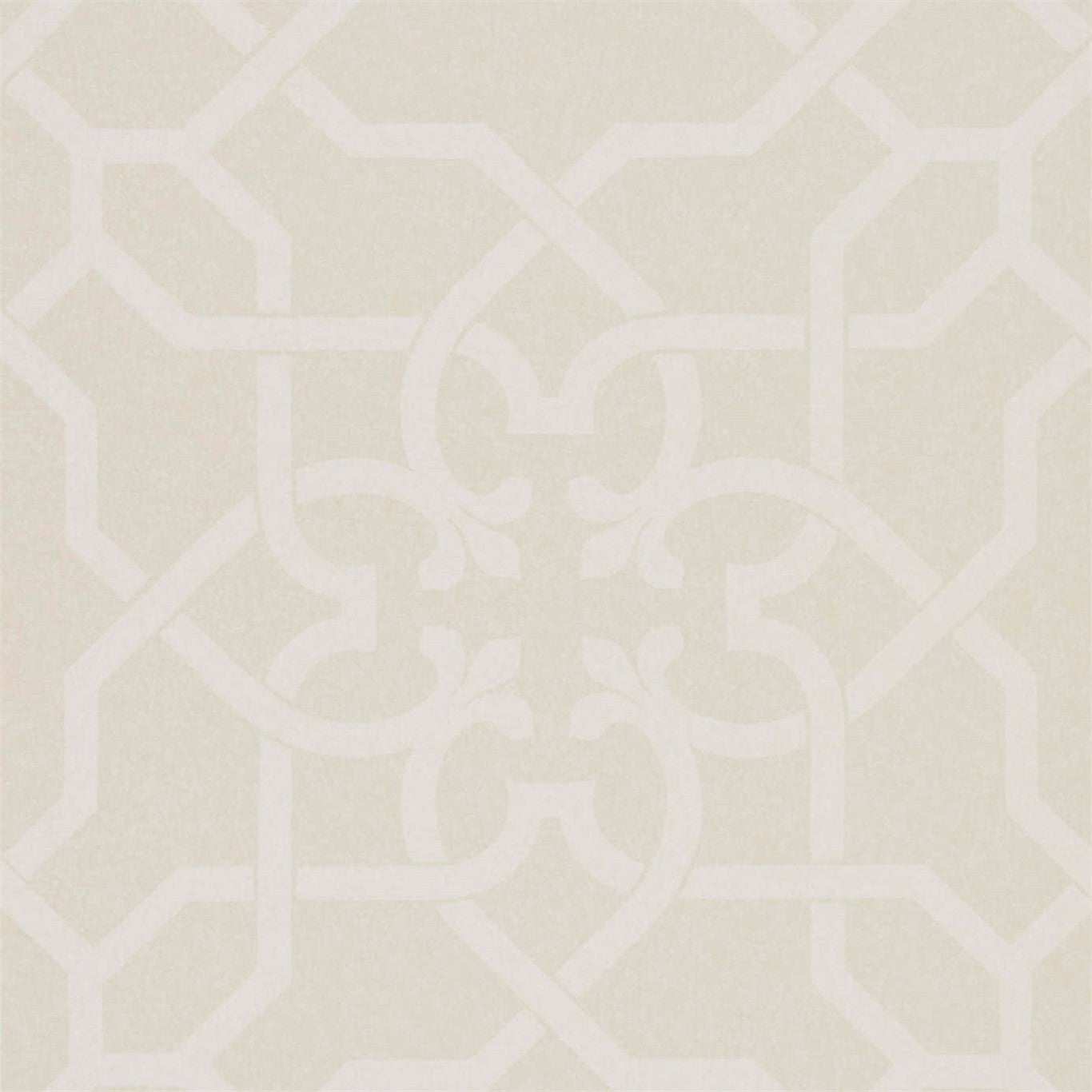
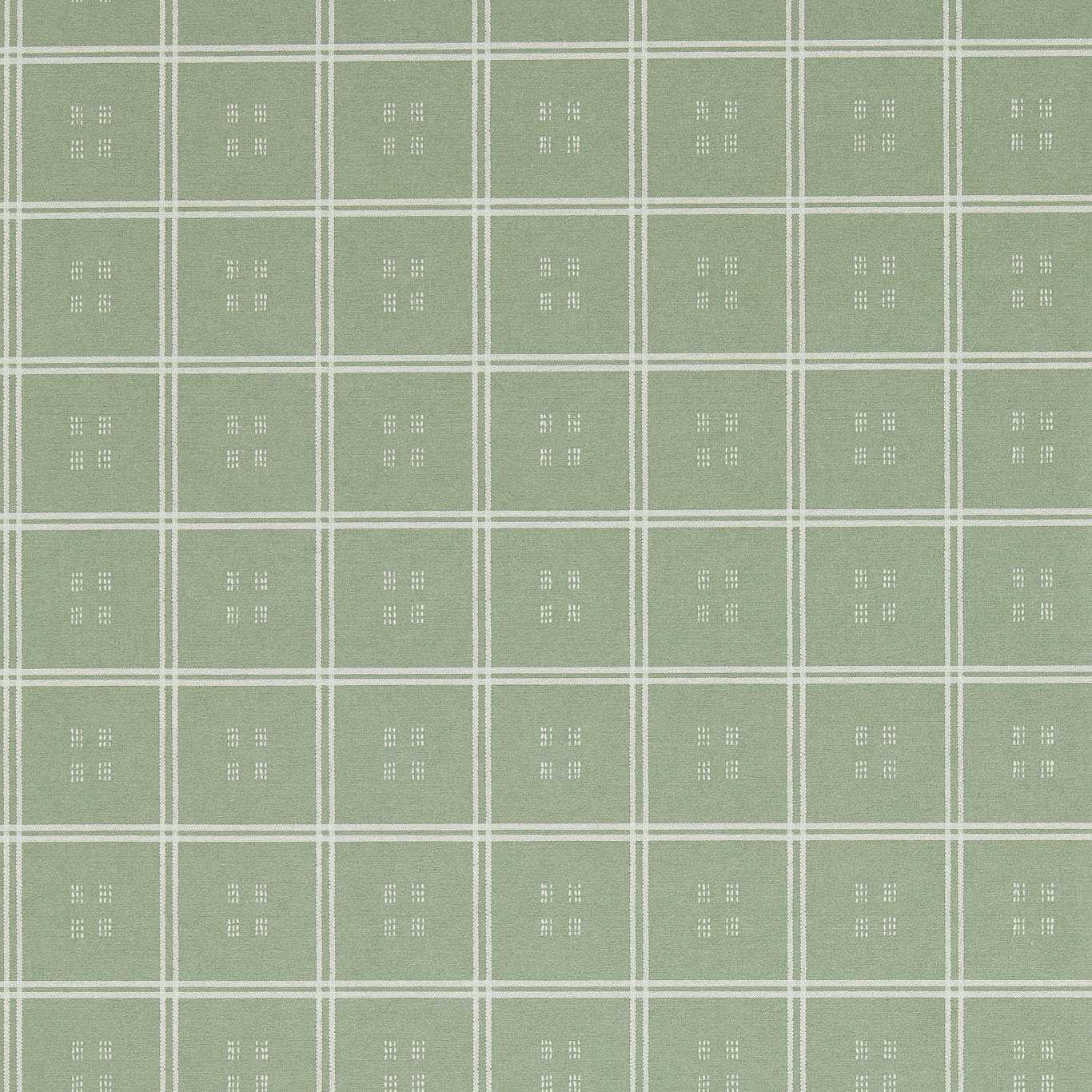

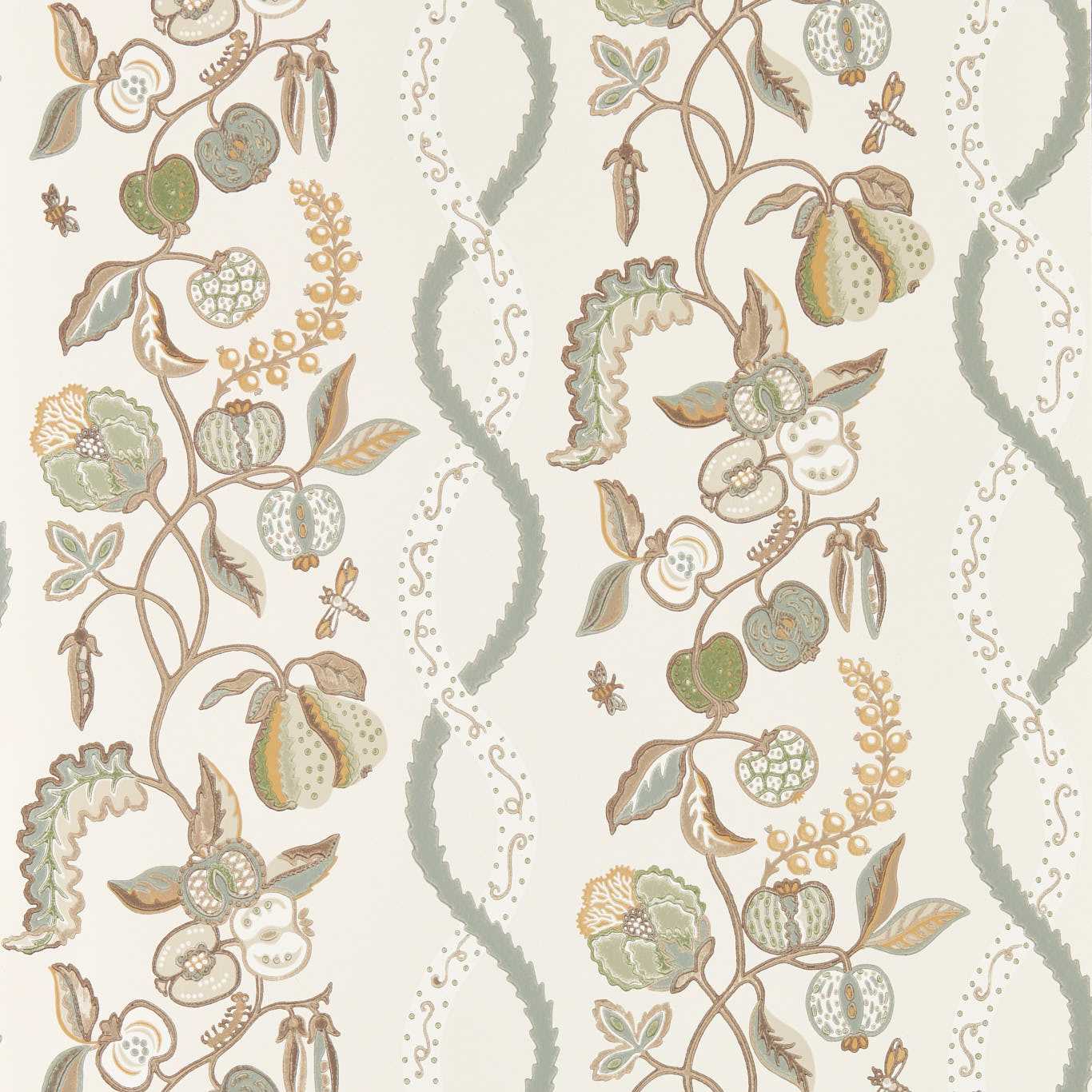



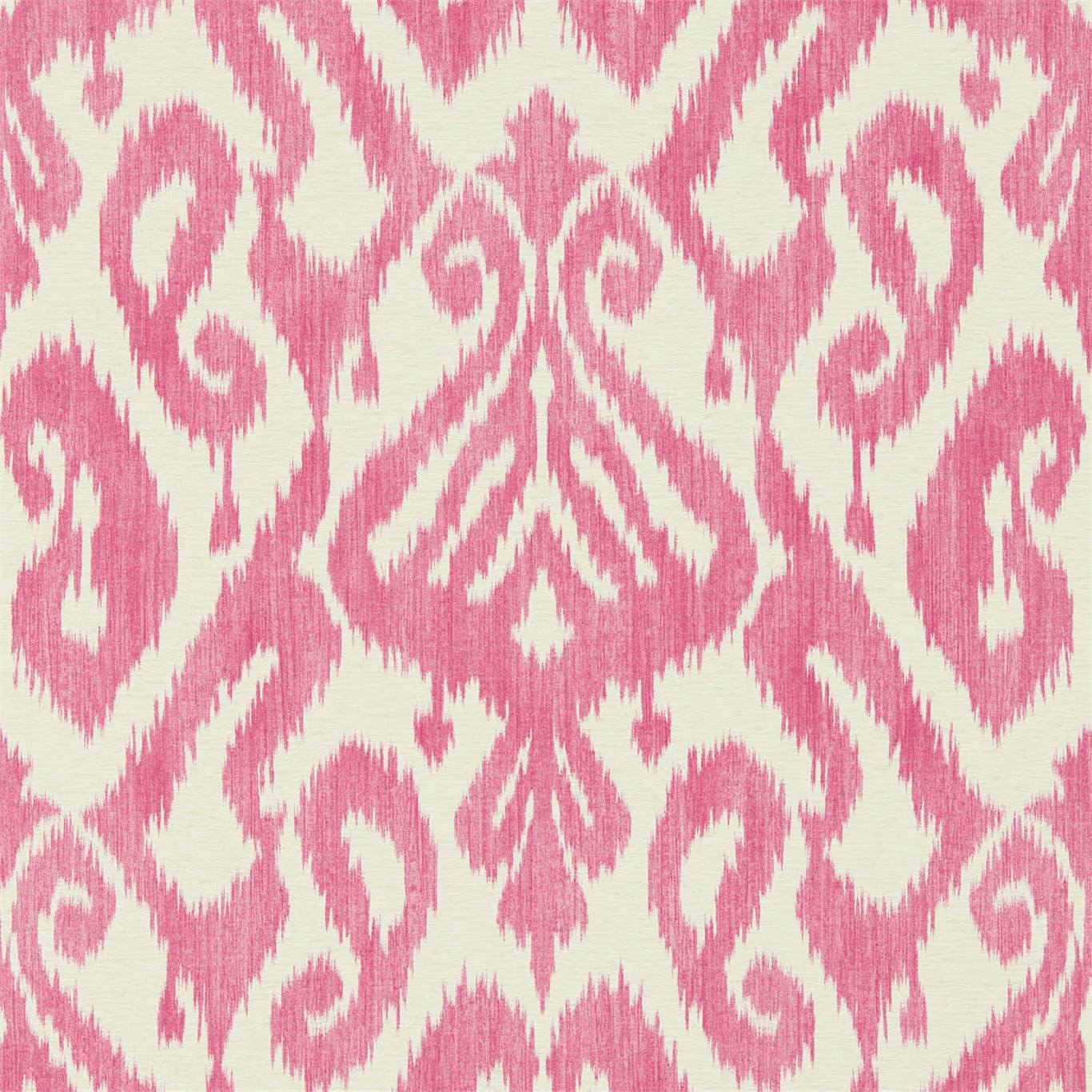
Why a room setting tells the truth
A small swatch lies by omission. It cannot show you how a pattern's repeat behaves across a full wall, how the scale reads next to a sofa, or how the color shifts from the bright window side of the room to the shadowed corner. A room setting, a photo or mockup of the covering installed and styled, fills in exactly the information the swatch leaves out.
Scale is the most common casualty of the swatch. A motif that looks charming at hand size can overwhelm a small powder room or vanish in a tall stairwell. Seeing the pattern at architectural scale, with a door and a chair for reference, is the fastest way to judge whether the repeat suits the room you actually have.
Styling a room around a pattern
Once a pattern is on the wall, everything else in the room should defer to it or deliberately counter it. The classic approach is to pull a single color from the wallcovering and echo it in one or two furnishings, letting the rest stay quiet so the wall leads. A busy pattern paired with busy upholstery and busy art turns a room into noise; the pattern earns its impact when it has room to breathe.
Contrast is the other lever. A bold, large-scale wall wants simpler, larger furniture forms beside it, while a fine, textural covering can support more detailed pieces. Thinking of the room as a composition, with the wallcovering as the lead voice and the furniture as the accompaniment, keeps the whole space feeling intentional rather than assembled.
Light, sightlines, and the fourth wall
Light changes a wallcovering hour by hour. A north-facing room cools every color; a west-facing room warms and then dramatizes them at sunset; artificial light at night can shift a tone entirely. Looking at a room setting under different lighting, or at least imagining your room's exposure, prevents the disappointment of a color that looked one way in the store and another at home.
Sightlines decide how much pattern is too much. In an open plan, a wall of bold pattern is seen from the next room, so it has to agree with what surrounds it. Deciding whether to paper all four walls or make a single feature wall depends on how the room is entered and viewed. A room setting shows you those relationships, which a flat sample never can.
Quick checklist before you order
- Judge the scaleView the pattern at full wall size with furniture for reference before trusting a small swatch.
- Pull one colorEcho a single hue from the wallcovering in your furnishings and keep the rest restrained.
- Test the lightCheck the covering under your room's own daylight and lamplight, at different times of day.
- Decide feature or fullChoose one accent wall or all four based on how the room is entered and seen from adjoining spaces.
- Order a large sampleLive with a big sample taped up for a few days before committing to the whole room.
Frequently asked
How do I know if a pattern is the right scale for my room?
View it at full wall size with a door or chair for reference. Large motifs suit big or tall rooms; small, tight patterns suit compact spaces and powder rooms.
Should I wallpaper all four walls or just one?
It depends on sightlines and boldness. A strong pattern often works best on a single feature wall, while a subtle texture can wrap all four without overwhelming the room.
Why does my wallpaper look different at home than in the store?
Lighting. Store lighting and your room's exposure differ, so colors shift; always check a large sample under your own daylight and lamplight before ordering.
Read more
- Why a swatch lies: reading pattern scale from sample to full wallA motif that looks balanced on a small sample can overwhelm a room, or vanish on it. How the repeat dimension and viewing distance change everything.
- The light changes the color: daylight, bulbs, and metamerismA colorway is not one color. It shifts with the direction of daylight and the temperature of your bulbs, and two samples that match under one light can diverge under another.
- How to stage a wall for a client presentationPresenting a wallcovering to a client is a staging problem. Hang a full drop, control the surroundings, shoot at eye level, and let the pattern speak without distraction.
- The render versus the room: what a CGI visualization gets right and wrongDigital room renders are excellent for layout and terrible for color proofing. Use them for what they do well, and never as the final word on how a wallcovering looks.
- Furniture, sightlines, and the parts of a pattern people actually seeMost of a wallcovering is hidden behind furniture or seen at an angle. Planning for eye level, the focal wall, and the ceiling as a fifth wall decides where a pattern earns its keep.